logo

https://www.mbabar.org/

Latest News

Latest News


219 Posts found
Previous • Page 15 of 22 • Next
Posted on: Sep 16, 2019

The MBA Mentor Program is a six-month pairing of MBA Young Lawyers Section members with select, experienced MBA members. Sign up to be mentoredVolunteer to serve as a mentor. If you have questions about the program, please contact Kathy Modie at the MBA.  

Posted on: Sep 12, 2019

Each year, MBA members serve on committees that address member needs and general issues affecting the profession. A synopsis of each committee’s charge for the year and the committee chair follows. If you have ideas or concerns about a particular area, please contact the chair, MBA President Sarah Radcliffe, sradcliffe@droregon.org, or the MBA staff at mba@mbabar.org.

Continuing Legal Education
Chair: Adrian Brown, US Attorney’s Office, adrian.brown@usdoj.gov, 503.727.1000
Plan, conduct and evaluate approximately 40 CLE seminars, focusing on members’ primary areas of practice.


Court Liaison
Chair: John Robb, Kevin Sali LLC, john@salilaw.com, 971.407.3372
Serves as the MBA’s interface with the court and fosters dialogue between the MBA membership, the local judiciary and other local area courts.


Equity, Diversity & Inclusion
Chair: Shalini Vivek, PSU Student Legal Services, spvivek@pdx.edu, 503.725.4556
Promotes equality in the profession, identifies ways in which the MBA can promote a diverse bar, and carries out the diversity award process.


Events
Chair: Tony Kullen, Wright Finlay & Zak LLP, tkullen@wrightlegal.net, 503.479.8871
Conducts member-outreach activities. Plans Bench Bar & Bagels, the Annual Golf Championship, Battle of the Lawyer Bands and WinterSmash, which benefits Multnomah CourtCare.


Judicial Screening
Chair: Gloria Trainor, Trainor Law PC, gloria@trainorlawpc.com, 503.536.2172
Confidentially screens judicial and pro tem candidates in accordance with the MBA’s process.


Professionalism
Chair: Jonathan Strauhull, Multnomah County Attorney’s Office, jonathan.strauhull@multco.us, 503.988.3138
Implements activities that promote professionalism and carries out the professionalism award process.


Public Service
Co-Chairs: W. Todd Cleek, Cleek Law Office LLC, todd@cleeklaw.com, 503.706.3730 and Jill Mallery, Legal Aid Services of Oregon, jill.mallery@lasoregon.org, 503.224.4086
Explores new ways for lawyers to assist those in need in the community, in partnership with the court, pro bono, social service providers and other stakeholders.


Solo/Small Firm
Chair: Emery Wang, Vames & Wang, emery@vameswang.com, 503.669.3426
Plans workshops and socials tailored specifically for solo and small firm attorneys.

Posted on: Sep 11, 2019

For most attorneys right out of school, the default thinking is all about paying down student debt. After all, the average law school student loan works out to about $300,000. With such a huge amount looming over one’s head, it is a reasonable assumption that any and all discretionary income should be diverted toward paying down that debt.

However, such action is not always the right way to go. In fact, developing a strategy for long-term savings - along with embracing fiscal discipline – is most often the preferred course of action for young professionals. In other words, the destination for the extra money you have at the end of the month does not have to go exclusively toward paying down debt.

The transition from living frugally during school to suddenly experiencing the freedom of a sizeable paycheck can often lead to fiscal confusion. As such, it is critical early on in one’s career to find a group of trusted advisors to help set a financial course. A banker, CPA and financial advisor are going to become critical partners throughout one’s career, and much of their valuable counsel is going to center around a savings plan that prepares for the big life goals ahead such as buying a home, kids, buying into a firm and retirement. Additionally, having emergency savings in case of job loss or other factors must be considered.

While much of their counsel will depend on individual circumstances, we find that a common, and very prudent course of action most often prescribed for a young attorney, is to put money in some kind of savings vehicle first, even before sending a check toward the pay down of student debt. Now of course, we are not recommending that one completely forget about that sizeable college loan, far from it. It is an obligation that must be met.
We are simply making the case that the time horizons for your student debt and your career savings plan are much different, with the latter being so much longer and more important long-term than the former. So if one has an extra $200 at the end of the month, it makes sound fiscal sense to devote a majority of that pot of money toward savings and the minority toward paying down student debt. You can structure payments towards student loans to accommodate your income and eventually you will retire the debt. However, the savings you put in place now - no matter how small - will continue to feed your life and career goals in perpetuity.

It’s a cliché, but nevertheless an important statement that all attorneys should heed: “It’s never too early to save for the future.” Paying off your student debt is important, but saving for the future is vital. For most pros, the short-term pain of paying off student loans is greatly eclipsed by the security and prosperity derived from a sound and sustainable lifelong savings plan.

Elise Bouneff is Senior Vice President and Relationship Banking Officer for Columbia Bank. She can be reached at ebouneff@columbiabank.com.

Posted on: Sep 11, 2019

Governor Kate Brown announced on September 11 that she will appoint Morgan Wren Long and F.G. “Jamie” Troy II to the Multnomah County Circuit Court. Long, a juvenile court referee and judge pro tem, will fill a vacancy created by the retirement of Judge Maureen McKnight. Troy, a juvenile law attorney, will fill a vacancy created by the retirement of Judge Katherine Tennyson. Both positions will be assigned to the court’s Family Department and are effective immediately. Read the full news release.

Posted on: Sep 10, 2019

This month we are excited to feature two attorneys who have been active volunteers with the Legal Aid Services of Oregon (LASO) Night Clinic: Willa Perlmutter and Tyler Killeen. Willa serves as the chair of Stoel Rives’s OSHA group and co-chair of the firm’s mining group. She has over 30 years of experience with litigation and regularly counsels clients on a broad range of issues related to mining operations. Prior to joining Stoel Rives, Willa served as counsel at Crowell & Moring LLP and at Patton Boggs LLC in Washington DC, an attorney-adviser for the US Department of the Interior and a supervising attorney in the office of the Alaska Legal Services Corporation in Juneau. Willa has been volunteering with the clinic since 2017.

Tyler is an associate in Stoel Rives’ commercial litigation group. He graduated from the University of Oregon School of Law where he was a member of the Order of the Coif and was the Executive Editor, Oregon Law Review. Tyler has been volunteering with the clinic since 2018.


LASO co-sponsors the Night Clinic with attorneys from Stoel Rives and Dunn Carney. The clinic consists of two sessions each month during which prescreened low income clients are scheduled for a consultation appointment to sit down with an attorney to discuss their legal issue. The clinic provides assistance with various issues including consumer law, small claims, criminal record expungements, landlord/tenant damage claims, estate planning, and uncontested guardianships. Stoel Rives and Dunn Carney have been cosponsoring the clinic since 1992 and 2013, respectively. Since 2007, over 1,060 clients have been scheduled for the clinic and more than 5,660 hours have been spent helping clients resolve their legal issues.

A typical night at the clinic includes meeting with four to five potential clients to get a sense for the basic facts of their case. After this consult, the volunteer attorney determines if they can represent the individual and sets up official representation through an engagement letter. Willa explained that after the initial meeting, the process progresses much like any other attorney-client relationship; there are follow-up meetings to gather additional facts and the volunteer attorney does legal research to determine what is needed to address the client’s legal issue.

Although the clinic assists with a range of topics, Tyler and Willa have primarily handled cases involving debt collection and landlord-tenant issues. Although the cases that they have handled could have, in theory, resulted in litigation,
Tyler and Willa have both had a 100 percent success rate for their clients through drafting well-crafted letters to the opposing party. Willa explained that this success, while exciting, also highlights how important the clinic is to the community.

Both Tyler and Willa stressed that pro bono work is part of a well-rounded legal career. Willa emphasized that since her position with legal aid at Alaska Legal Services Corporation, she has made sure that her practice always included pro bono work. Not only can you go to bed at night knowing that you have truly helped someone, she explained, but, as a lawyer new to Oregon it was a good way to make friends in the legal community. Similarly, Tyler noted that he felt that it was important to be involved in pro bono work from the very start of his career as a practicing attorney. “Pro bono work is part of practice,” said Tyler.

Although some might feel nervous about practicing in an area that is outside of their expertise, both attorneys stated that they were well supported by LASO in their representation of clients scheduled through the clinic. Tyler said that
LASO understands the work the attorneys put into their representation of their clinic clients and as such, they are willing to provide subject matter resources if a case involves an area outside an attorney’s expertise. Although the clinic is only staffed by attorneys at Dunn Carney and Stoel Rives, both Tyler and Willa encourage attorneys to reach out to LASO or similar organizations to offer their help. These types of organizations can always use additional attorney-power, explained Willa. This is a sentiment echoed by Julia Olsen, Regional Director of the Portland Regional Office of
LASO who provided us with the following statement of appreciation for the efforts of attorneys like Tyler and Willa:

“Low income Oregonians are shut out of the justice system when they lack resources for legal help. To address the justice gap, Legal Aid is able to provide services to a greater number of clients each year through our pro bono programs, such as the Night Clinic. Attorneys who volunteer with the Night Clinic provide legal services to clients who otherwise would not have access to the legal system. Through the Night Clinic we are effectively increasing access to justice to many low income Oregonians each year. We thank Stoel Rives LLP and Dunn Carney LLP, the volunteer attorneys, and all those who help in the coordination of the Night Clinic for their dedication and continued support.”

Learn about pro bono volunteer opportunities available at LASO by visiting www.lasoregon.org.

Posted on: Sep 4, 2019

This year, the Multnomah Lawyer will feature several guest authors whose expertise about the legal system comes from their lived experiences. I hope these stories will provide a valuable perspective from people whose lives were, and continue to be, directly impacted by the systems in which we work.
-Sarah Radcliffe, MBA President


Edited by Alexa Weinstein
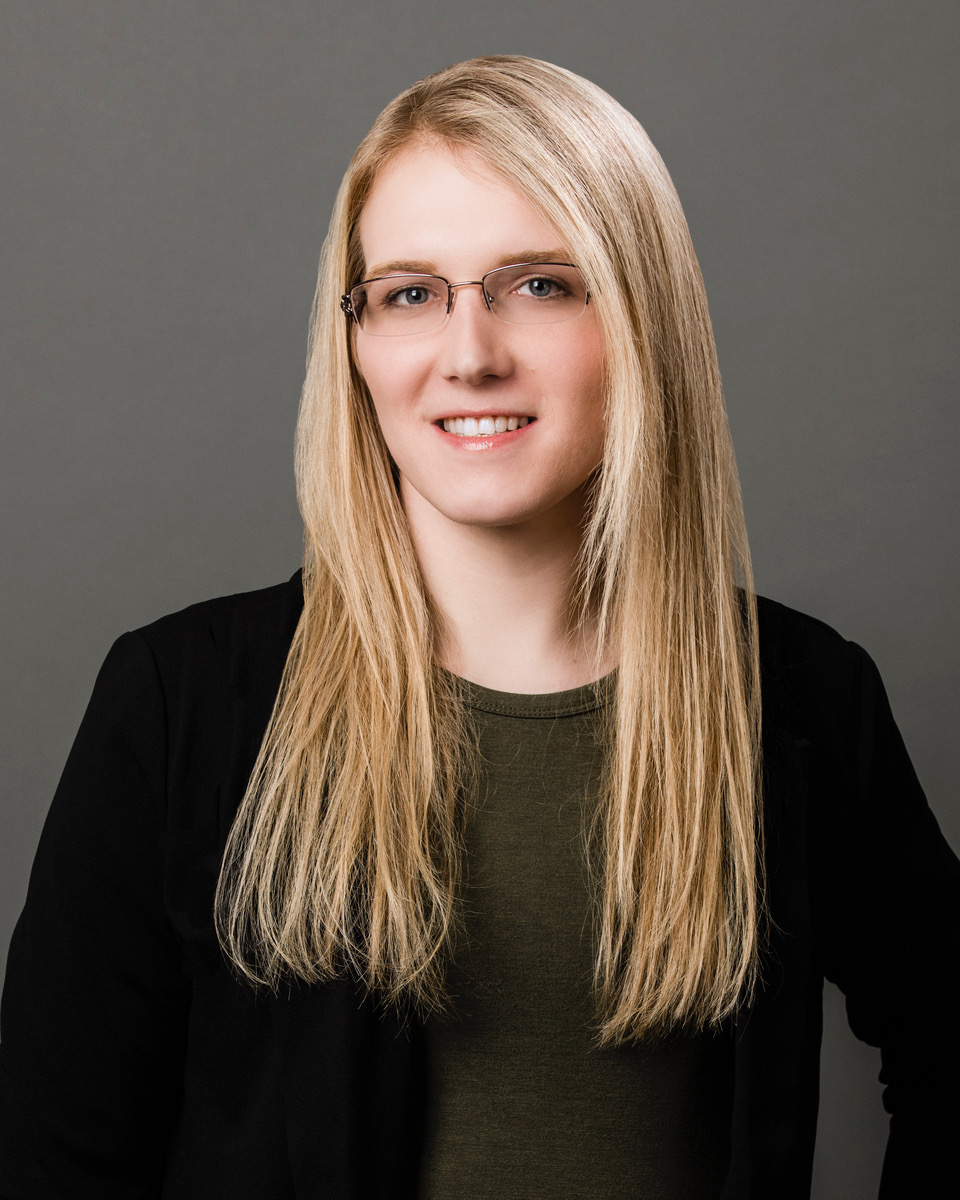
I am a transgender woman, a formerly incarcerated person, a person who spent almost seven years homeless on the streets of Portland, a person who was addicted to drugs, and a rape survivor. I attempted to take my own life, and I still struggle with suicidal ideation associated with gender dysphoria. My time in prison lasted from my entry into Coffee Creek Intake Center in August 2013 to my release from Coffee Creek Correctional Facility in November 2018. My journey has not been an easy one, and I am still healing. In this article, I describe the events in my early life that led to my involvement with the criminal justice system. In a future article, I hope to speak to you from these pages about my experiences with probation, parole, and rehabilitation prior to my years in prison.

I was what they call a “troubled youth.” As early as I can remember, I knew something was different about me. But I didn’t immediately know that I was different in a way the world could not yet accept. I was certain I was a girl. And I was just as certain that being a girl, incarcerated in a body that everyone associated with being a boy, was going to cause me great pain. Maybe it was my older brothers who first taught me to be scared of people. When I was Michale (pronounced like “Michael”), I was punched, threatened, and shot at. I experienced violence even before anyone else knew I was a girl. I sought help from the justice system, but my experiences taught me that the police only created more chaos, rather than creating safety or peace. And even when the police seemed to be helping, the courts became a barrier that stopped me from getting the protection I needed. In this context, I could not expose who I really was. I hid Michalle (pronounced like “Michelle”) to keep her, to keep me, safe.

In school, I didn’t do well after third grade, as it drew too much attention. Hiding from my father, my teachers, and the whole world was my full-time job. I never raised my hand or did too well on tests, and I didn’t try out for dance or gymnastics or debate; I simply didn’t want anyone to notice me. I hid in plain sight, attending Sunday school as a child and singing about this little light of mine. However, as I became a teenager, my little light was dimming. I dropped out of high school and enrolled in GED classes. At night, I was harming my own body in an expression of my gender dysphoria. Cigarettes led to harder drugs that could more effectively hurt or kill me. I was desperate to numb my feelings and to suppress my true identity. During this formative time, I was learning unhealthy and self-destructive ways to cope.

In the midst of this turmoil, my father was diagnosed with cancer. I was blindsided by his swift deterioration and sudden passing. After coming home when I was five years old, at the end of his own time in prison related to heroin addiction, my father had always showed me the love and kindness in his heart, despite the fact that he had no idea how to love or care for a child who clearly displayed non-traditional behavior for a boy or a son. I wonder if his death would actually have been easier on me had we not been close. But we were close, and I wish I hadn’t lost him so soon. He never had a chance to love me as I truly am, and for that, I still mourn. At the time, I was entirely unequipped to deal with his loss. Though others encouraged me to stop and grieve, I needed distraction and insisted on attending all of my GED classes.

My mother also lacked the tools to deal with her own grief over losing my father. She communicated to me that she didn’t want to be my mother anymore. I felt I had lost both of my parents, and other members of my family had recently passed away as well. At 16, I became homeless. At 17, I successfully completed my GED, but it did not rescue me from being a homeless teen or from facing the grief of losing a family, the pain of gender dysphoria, and the coping mechanisms of self-harm and drug use. I began to seriously question whether I could go on living.

My involvement with the criminal justice system officially began in January 2009, when I turned 18. By then, I’d been homeless for a little over two years. I was arrested on possession of a small amount of methamphetamine and provided with pre-trial release. From 2009 to 2013, I was incarcerated within various Oregon county jails roughly 25 times. My charges during this time included possession of a controlled substance, third-degree theft, criminal trespass, felon in possession of a weapon, and various probation violations. My sentences ranged from a few days in jail to 18 months of probation. I was also penalized with fines and fees, community service, and various stipulations including requirements to undergo treatment and orders to disclose certain aspects of my health care to members of the court. My follow-up article will focus on how the rules and regulations of parole, probation, and rehab both reflected the disorder and lack of safety in my childhood and directly conflicted with my medical and psychological needs during this period, ultimately leading me to prison. 

Today, I have learned to love myself, though I wish it hadn’t taken so much tragedy for me to learn this skill. I have regained my light, and I shine it back to help others. Free from both prison and drugs, I am studying to become a lawyer and advocating for the resources that trans prisoners need in order to defend their rights.

Posted on: Aug 28, 2019

The Owen M. Panner Inn of Court in Portland is proud to report that its increased financial sponsorship of a local urban mock trial team has helped transform the team into a statewide competitor. The program had humble beginnings and several hurdles to overcome. Jefferson High School pulls its students from a generally lower socioeconomic neighborhood than the other top mock trial teams in the Portland area. Also, none of the students on the team have lawyers for parents while many other teams are coached by lawyer-parents. Many of the students work or have the responsibility of caring for younger siblings in addition to participating in mock trial. And because Jefferson High School does not offer mock trial as a class, practices are not every day, but once a week in the evening. Indeed, when the program started in the early 2000s, there were times when it was difficult to cobble together even eight students to participate.

But the tide began to turn when the Owen M. Panner Inn of Court began funding Jefferson Mock Trial. About five years ago, the inn began providing a budget that allowed the students to have a pizza dinner while practicing mock trial. It also allowed the students to participate in an annual overnight trip to the even though Portland is only 80 miles from the coast. Word spread fast throughout the high school that mock trial was a fun activity and soon the number of participants increased, as did the team’s success. 

This past 2018-19 season, we are proud to report that we had more than 40 students participate and fielded three teams at the regional competition. Moreover, one of the teams advanced to the state competition for the third time in four years. The team performed admirably at state - it won its first round, losing only in a power match in the second round to the team that eventually won the entire state title.

One team member, Mekdes Hilete, is a great example of the Jefferson students who participate on the mock trial team. Mekdes came to the United States from Ethiopia in 2016, when she was in the eighth grade. At first, she struggled to acclimate to middle school and high school in a different country. But she found her way to the Jefferson Mock Trial team as a freshman and has been a standout since then. Now a junior, she earned a perfect 10 on her closing statement at the regional competition - an incredibly difficult feat for any student, let alone one whose first language is not English. Mekdes was a key part of a very strong team that led Jefferson High School to the state competition. Other mock trial alumna are pursuing promising college careers: Sekai Edwards is at Julliard in New York City, Sidne Gregory is at MIT in Boston, and Alyssa Bailey attends American University in Washington, DC. Alyssa was also awarded a prestigious and competitive scholarship from the Classroom Law Project for her participation in mock trial, which contributed $10,000 toward her education costs. The exponential growth of the team, both in size and success, is directly correlated with the increase in financial support by the Owen M. Panner Inn of Court. By providing coaches and financial support to the team, the Owen M. Panner Inn of Court seeks to instill the values of professionalism, community service, and integrity into the young adults at Jefferson High School. Working with these students has been extremely rewarding and the Inn is proud to sponsor them.

Posted on: Aug 22, 2019

Presiding Judge’s Report and Courthouse Update - Presiding Judge Stephen Bushong and Barbara Marcille, Trial Court Administrator

Reminders Regarding Procedural Issues
The show cause docket: The normal show cause docket is set for morning call Thursday for hearings to be set on Friday. This is because the court expects show cause hearings to generally be resolved in a day or less, and since Friday is not a normal trial day, judges have availability. Recently, Judge Bushong has noticed people tending to forget this, and submitting orders directing a person to appear at a hearing, rather than to call for a hearing to be scheduled the following day, and requests for hearings on days other than Friday. It is possible for these hearings to occur on different days of the week, but this increases the chance the parties appear and won’t have a judge available for their hearing.

Some attorneys appear at ex parte with extra copies of orders. With the electronic court system, this is not necessary. All attorneys need to bring in are the original orders - the court will file the originals and signed copies can be downloaded from the computer system. There are two exceptions. For TROs, if there is material you need the judge to read, drop off a copy early. Also, show cause orders will need to have a service copy, which clerks can make for attorneys.

The court recently changed the process for handling petitions for review of state agency orders in other than contested cases. If it is just a petition - and not a writ - the procedure is to file the petition, and the court will schedule a scheduling conference. The purpose of the scheduling conference is to discuss a schedule for filing the administrative record (if any); to set a briefing schedule; to determine the length and nature of the hearing; and to schedule the hearing.

Justice Involved Women Conference
On May 31, 2018, representatives of the court and others attended a conference at Portland State University regarding women involved in the criminal justice system. It was a statewide conference funded by a grant from the Oregon Criminal Justice Commission (CJC), and was attended by representatives from the court system, law enforcement, probation departments, prosecutors, and defense attorneys.

Women involved in the criminal justice system can present different types of challenges, needs, and opportunities than men. Women are often victims as well as defendants; their trauma, mental health or addiction issues, or childcare concerns can affect their behavior. The criminal justice system does not always have adequate systems to address these issues. For example, Inverness Jail has a treatment readiness dorm available for male inmates, but not for women.

Change in Grant Funding for Special Programs
The Oregon Criminal Justice Commission (CJC) has implemented some changes in its grant programs. In general, CJC grants fund two major programs statewide - the Justice Reinvestment (JRI) program, and specialty and treatment courts. The programs serve somewhat different goals. JRI is designed to reduce the use of prison as a sanction for criminal behavior, and “reinvest” those statewide savings in local communities, with the goals of reducing recidivism and protecting public safety while still holding offenders accountable. Specialty or treatment court programs are designed to reduce criminality by addressing the root causes of criminal conduct even if there may not be a corresponding reduction of prison usage.

In the past, specialty court grant recipients, such as the Department of Community Justice (DCJ) or treatment providers, would apply directly for CJC grants. This year, CJC is requiring the specialty court grant programs to be coordinated through the Local Public Safety Coordinating Council (LPSCC). This change was designed to avoid overlap between programs and provide for a local oversight body to coordinate the programs. In addition, CJC is no longer determining specialty court funding based on the number of people served by the program. Instead, CJC is requiring applicants to describe the types of services needed and the expected cost of those services.

Multnomah County Circuit Court currently participates with other stakeholders in four specialty or treatment courts to be funded by CJC grants: STOP (Sanction-Treatment-Opportunity-Progress) Court for drug offenders; START (Success Through Accountability, Restitution, and Treatment) Court for property and other offenders involved in the criminal justice system because of substance abuse disorders; Mental Health Court for offenders needing mental health treatment; and DISP (DUII Intensive Supervision Program) for offenders with multiple DUII convictions. Obtaining adequate funding for these programs is critical to public safety. Grant applications were addressed by LPSCC and submitted to CJC in mid-June.

Judicial Settlement Conferences in Civil Cases
Attorneys often ask about judges’ availability to conduct judicial settlement conferences (JSCs) in civil cases. The court does not maintain a master calendar of judicial availability for JSCs. Attorneys should confer and come up with a list of acceptable judges, then call the judges’ chambers for available dates. JSCs should be scheduled for a Friday; judges are required to be available for trial assignments Monday through Thursday. Judicial availability is limited, and not all judges will agree to conduct settlement conferences in every case. For simple personal injury cases, attorneys are encouraged to consider using a more recently appointed judge; they are likely to have greater availability for those conferences. Most JSCs in civil cases will take at least two hours; many will require at least a half day. If the case is particularly complex or will require more time, parties are encouraged to use a private mediator.

Supplemental Local Rule Changes
The court is in the process of updating its Supplemental Local Rules (SLRs). SLR changes must be approved by the statewide Uniform Trial Court Rules (UTCR) Committee. The court expects to present SLR changes in three categories:

  1. Housekeeping/cleanup changes (not major substantive changes).
  2. Significant rewrite of SLRs governing family law, probate and juvenile matters. The court has been working on streamlining and improving the understandability and consistency of the SLRs in these areas.
  3. The court is proposing an SLR that addresses requests to reschedule a summary judgment hearing before a sitting circuit court judge. Summary judgment hearings are typically assigned to a pro tem judge. This process was adopted many years ago to help the court handle all the work of the court with limited resources. The pro tem judges are experienced lawyers approved by the Oregon Supreme Court to hear these matters; they often spend many hours reading briefs and cases in preparation for the hearing. The court encourages parties to continue to use pro tem judges for most summary judgment hearings. If a party objects to having the motion heard by a pro tem judge, it can request the matter be rescheduled before a sitting circuit court judge. The court’s updated Attorney Reference Manual describes the process and includes forms. The court is proposing a new SLR to codify that process. The proposed SLR will include a time limit for making the request. Untimely requests will be denied by the presiding judge.

If approved, the SLR changes would take effect February 1, 2020. Attorneys are encouraged to review the SLR changes when the UTCR Committee releases them for public comment.

Posted on: Aug 20, 2019

This month’s Pro Bono Spotlight tracks the career of Lynn Walsh, a solo practitioner who created a successful career allowing her the time and flexibility to give back to the community by providing pro bono legal services.

Lynn began her legal career a little differently than most. Through the 1980s, Lynn worked for General Motors as a mechanical engineer. It was through this career that she realized she would prefer to be her own boss. From there, Lynn worked her way through law school, and was admitted to practice in 1992.

Since 1992, Lynn has been primarily a solo practitioner. She started with personal injury cases, and now the bulk of her practice is devoted to representing prisoners on their civil rights, ADA, and negligence claims. I know many of us loathe the cliché phrase that folks just “fall into” a particular line of work, but for Lynn, that is exactly how it happened. After more than 15 years of personal injury work, Lynn started to represent prisoners, and has built up a thriving practice taking state or county actors, particularly medical providers, to task.

It was at this time, that Lynn felt the call to give back and joined the Federal District Court’s Pro Bono Panel. The panel appoints local attorneys who are able to provide counsel in federal court cases for pro se litigants. Although there are numerous other types of cases for which pro bono counsel are appointed, Lynn is always appointed to prisoner cases, and typically has one or two ongoing pro bono cases at any given time.

While civil rights claims relating to incarceration present significant technical challenges, Lynn assures us that there are numerous benefits to joining the panel and taking on a case of this nature. For one thing, it provides ample opportunities to get into court to practice appearing and speaking. If you are one of the many young attorneys lamenting the long wait to get into a courtroom, this is one avenue to address the delay. Taking on one of these cases also provides experience in federal court, which is not always a guaranteed venue in many areas of practice. Most importantly though, you will get the opportunity to help people who really need help, and are very grateful for the help they receive.

If you’re an attorney who wants experience, or wants to throw their energy into changing the tides of prison litigation, contact Lynn Walsh or read up on the pro bono program at the following link: ord.uscourts.gov/index.php/607-attorneys/pro-bono-service.

Posted on: Aug 13, 2019

I have now been a proud member of the Multnomah Bar Association for over 30 years. The MBA has served to be instrumental in my development as an attorney and was a catalyst for helping me integrate into the Portland area bar. Back in 1988, I was a young attorney who had recently moved back to the Portland area from Bend. Through the volunteer opportunities and social events provided me by the MBA, I was able to establish relationships with many attorneys, with whom to this day I still enjoy collegial relationships. A prior slogan of the MBA was “The Bar That Matters.” From my personal experience, I very much believe that is still the case today.

Besides the somewhat intangible benefit of networking and relationship building, the MBA also offers a vibrant array of tangible benefits through the MBA’s business partners. The aggregate dollar value of these benefits far exceeds the $140 annual fee for MBA membership for regular members. It’s also important to note that the MBA’s annual dues for members are the lowest in the nation for voluntary bars with membership of 2,000 or more. 

So, what are the benefits currently available to MBA members?

Health Insurance Plans
Members have access to negotiated group health, life, disability and long-term care insurance, structured specifically for lawyers and law firms. This is an employer-based program, and the firm must have at least one W-2 employee in addition to the attorney.

Free CLE Content
In addition to discounts on all MBA CLE programming, members receive access to a rotating selection of MCLEaccredited webcast seminars, a $360 value annually. Visit www.mbabar.org/member-center to view the latest offering. 

CLIO provides case and practice management software. Members are provided a 10 percent lifetime discount, as well as a free seven-day trial.

Columbia Bank offers a wide array of services specifically designed to assist MBA members and their law firms. The annual benefits to members are valued at approximately $700.

LawPay provides credit card processing specifically intended for client/attorney transactions. MBA members enjoy discounted processing rates.

NAEGELI Deposition and Trial provides court reporting, video conferencing, legal copying and scanning, transcription and language interpreters to MBA members at discounted rates.

Legal Northwest provides staffing recruitment services for paralegals, legal secretaries, and support staff at discounted pricing on direct hire positions for MBA members.

Office Depot provides MBA members an average of 10 percent off retail for their items.

Ruby Receptionists provides professional and flexible reception service for attorneys for which MBA members receive an eight percent discount.

UPS provides shipment and logistics service to MBA members with up to 26 percent savings on express shipping.

The Bar Plan provides online and streamlined court bond services for MBA members. 

In addition to the benefits provided by our business partners, the MBA also offers its members free use of the MBA conference room when it is not in use for MBA business. To reserve the conference room, simply call the MBA at 503.222.3275.

The MBA also sponsors fun and worthwhile social events throughout the year, including: WinterSmash in February, the MBA Annual Dinner in May, the Battle of the Lawyer Bands in the summer (this year on July 25), the MBA golf fundraiser (September 19), and the Absolutely Social in October. These events all provide plenty of opportunity for MBA members to enjoy themselves and meet other MBA members and future friends. Furthermore, volunteer and leadership roles provide additional options to network while serving the legal community.

I encourage you to take advantage of the many benefits of MBA membership today.


Between June 1 and September 16, 2019 Regular and Affiliate memberships are available at a 50% reduction from full-year dues. This marks an excellent opportunity to sample the programming and discounts enjoyed by MBA members at a fraction of the cost.  To take advantage of this offer, join online or print and return a prorated membership form. Questions? Contact the MBA for assistance at 503.222.3275.


Previous • Page 15 of 22 • Next

© Multnomah Bar Association 2025. All Rights Reserved.
Site by Cascade 2018